Sensory Museum, Bucharest, Romania

  • Type of project: Architecture, Museum
  • Year: 2019
  • Materials: Plaster, Herbs, Branches
  • Method Used: Casting plaster in a mold, Adding herbs and branches

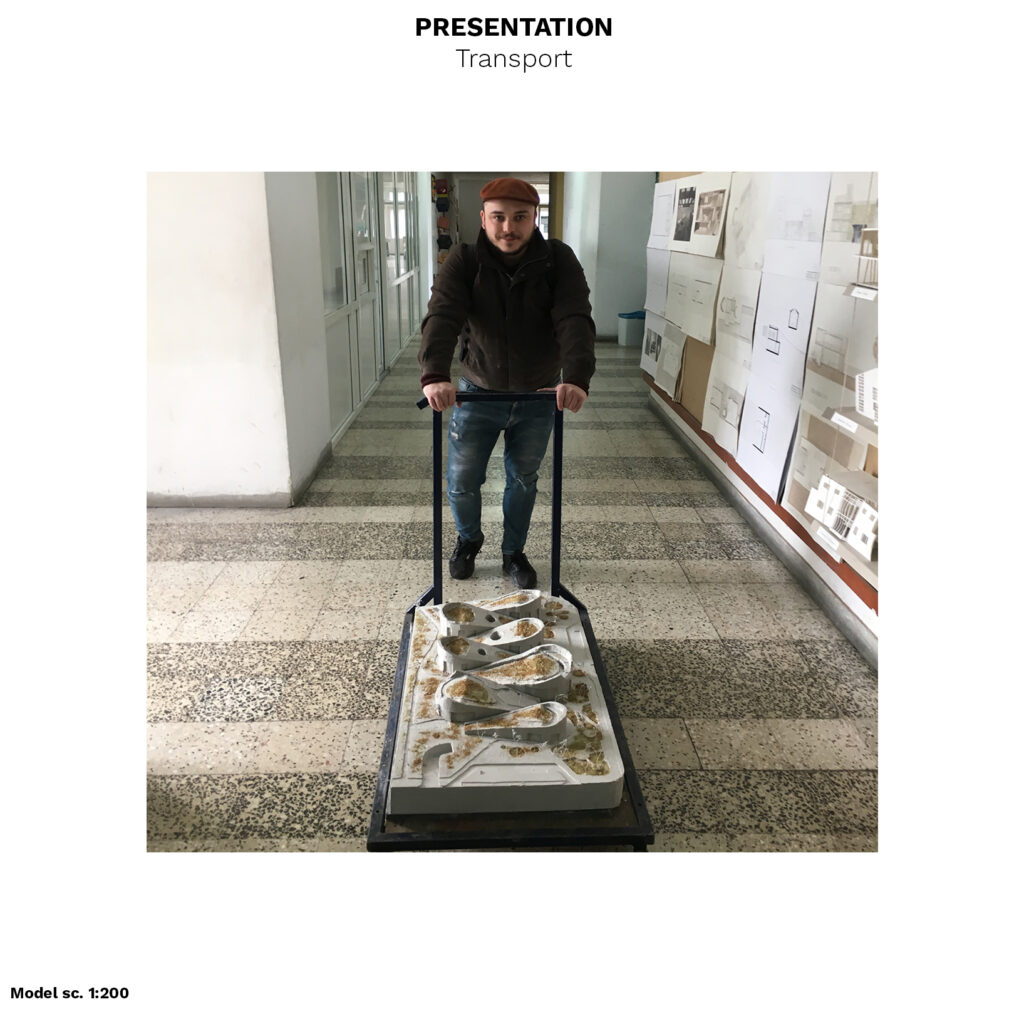
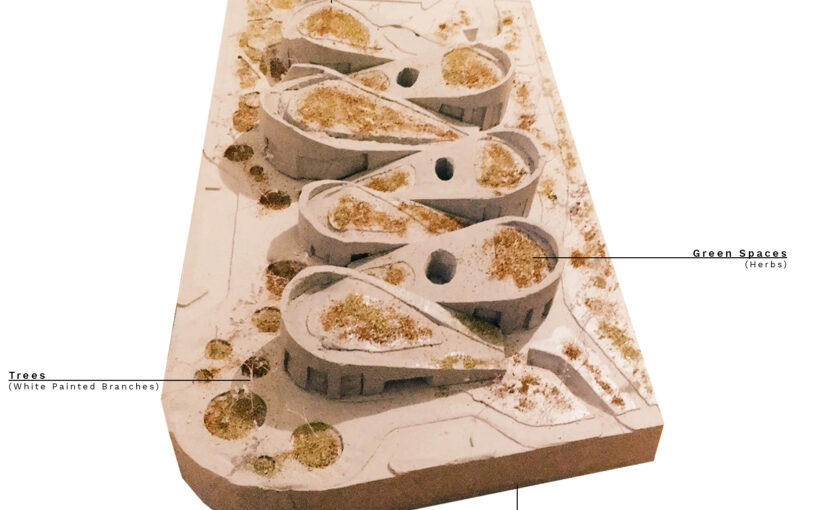
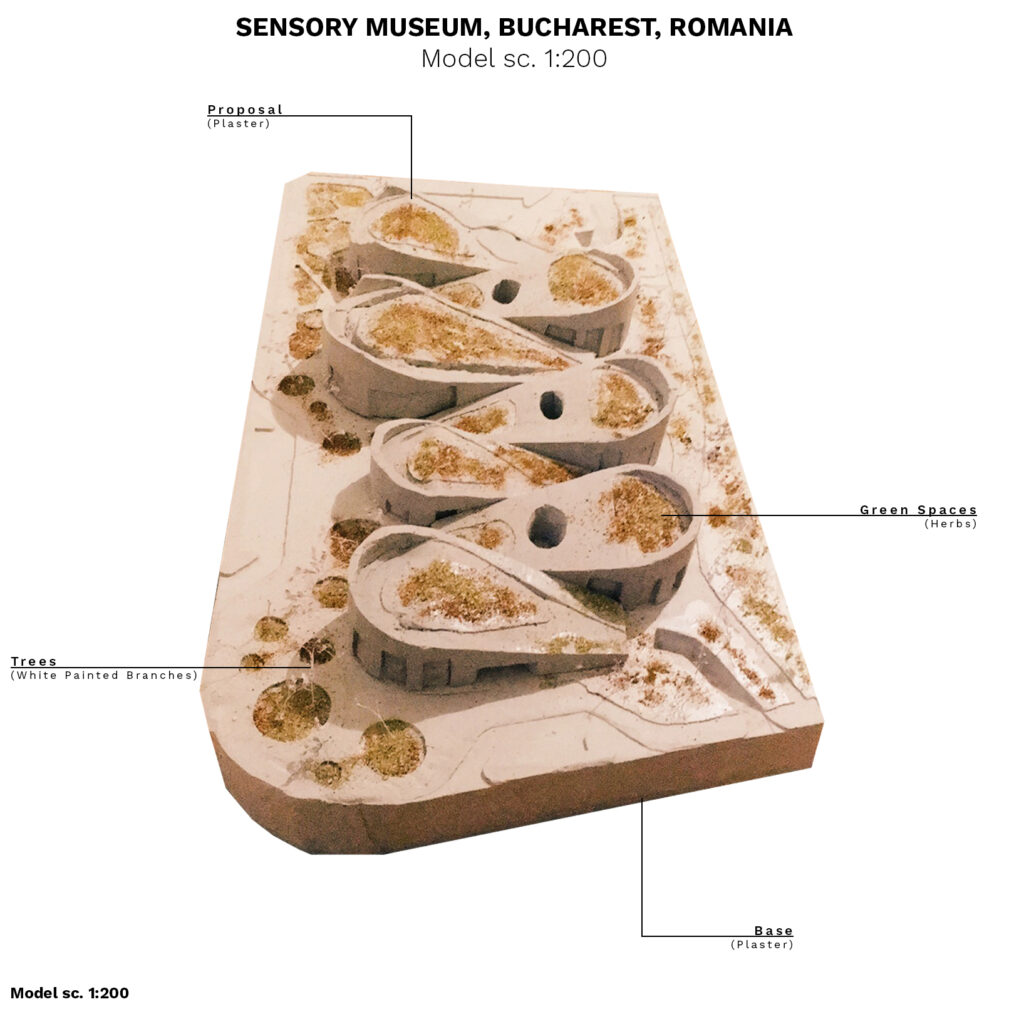
I did this model for a project which proposed a sensory museum.

The main challenge was to create the sequence of the round-shaped and sloppy buildings that created the museum. In the project, they were all interconnected, so the mold had to be built very careful so the parts would blend well in the end.

I used plaster for all the model and herbs and branches just to add green and trees.
Archaeodrom. Research Center for Prehistoric Civilizations from Valea Mostiștei, Sultana, Romania

  • Type of project: Architecture, Research Center
  • Year: 2019
  • Materials: Plaster, White Plexiglass, Transparent Plexiglass, Modelling Clay, Branches, ABS plastic (3D printing material)
  • Method Used: Casting plaster in a polystyrene mold, Assemble different parts made with CNC laser and 3D printer

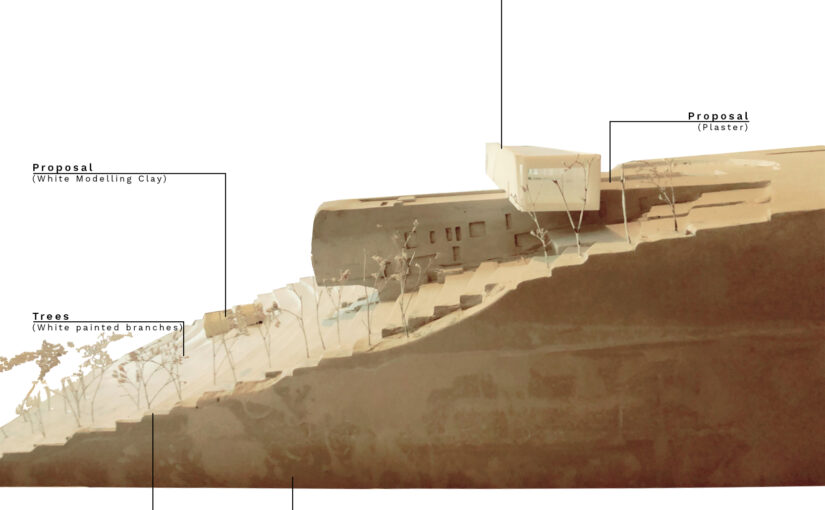
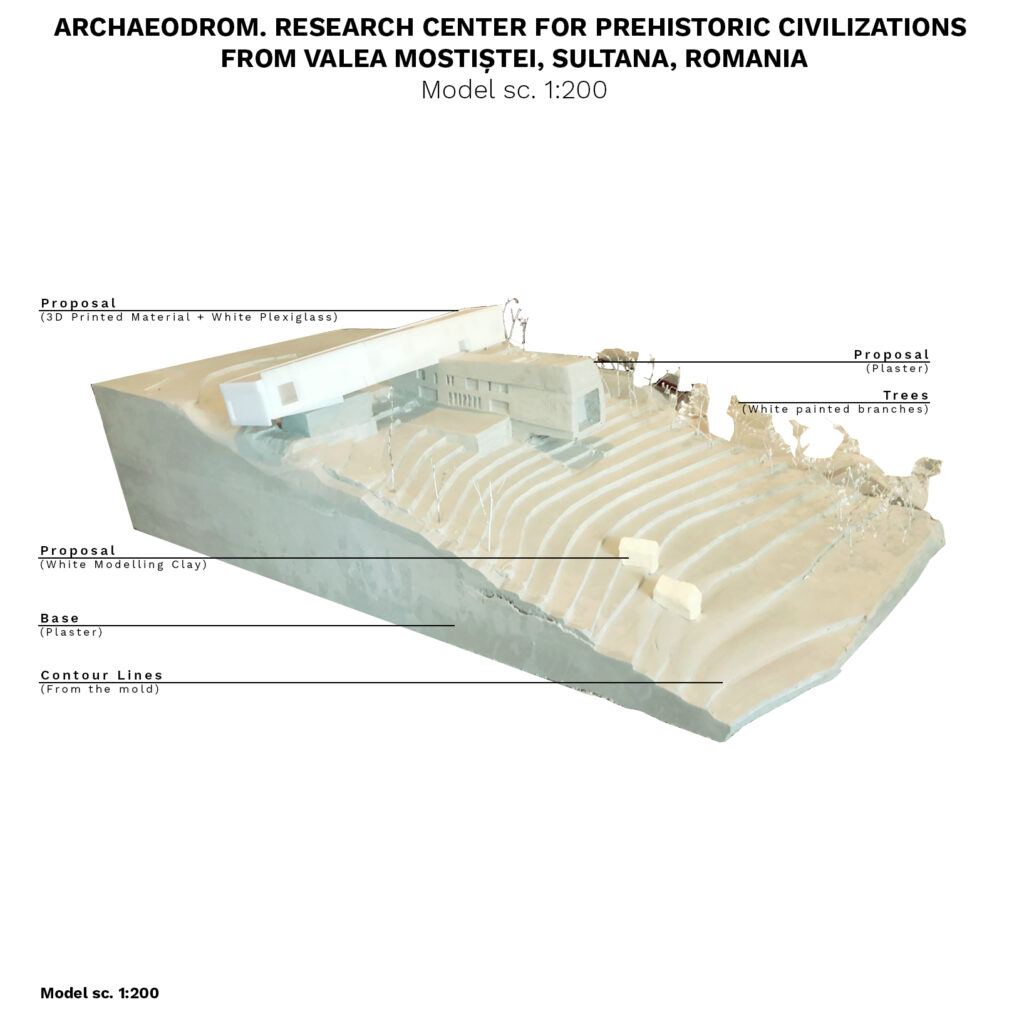
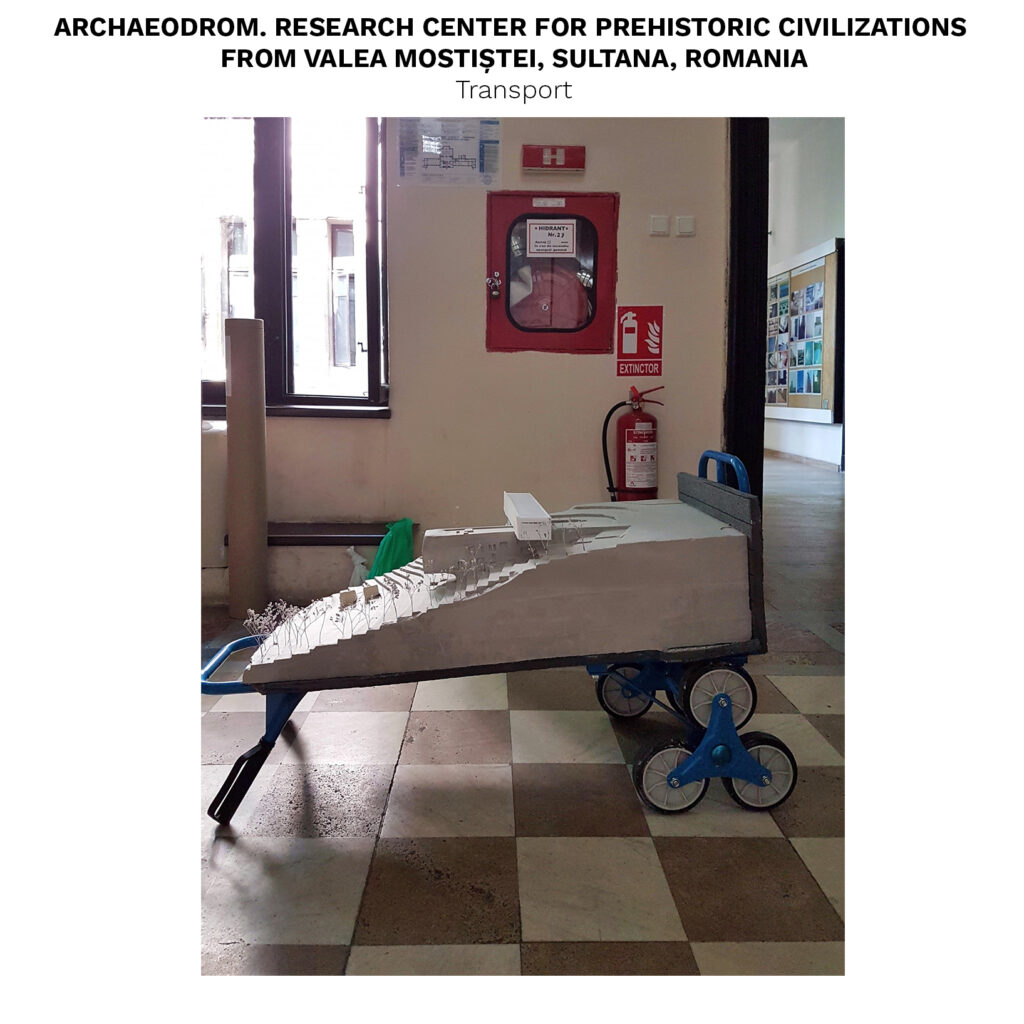
I did this model for a project involving a research center on sloppy terrain and I did it using a mold made from polystyrene into which I cast plaster.

I tried to obtain a single volume containing the base and the part of the proposal that was getting out of the terrain. For this reason, I had to calculate very well all the cuts in the mold and to be very careful with the unboxing.

The other parts of the model were made using a 3D printer for one of the facades and a CNC Laser for the other parts of the white building.

I have also used white modelling clay for the two houses at the lowest part of the hill and white painted branches for suggesting the trees on the site.


Marine Life Research Point, Vama Veche, Romania

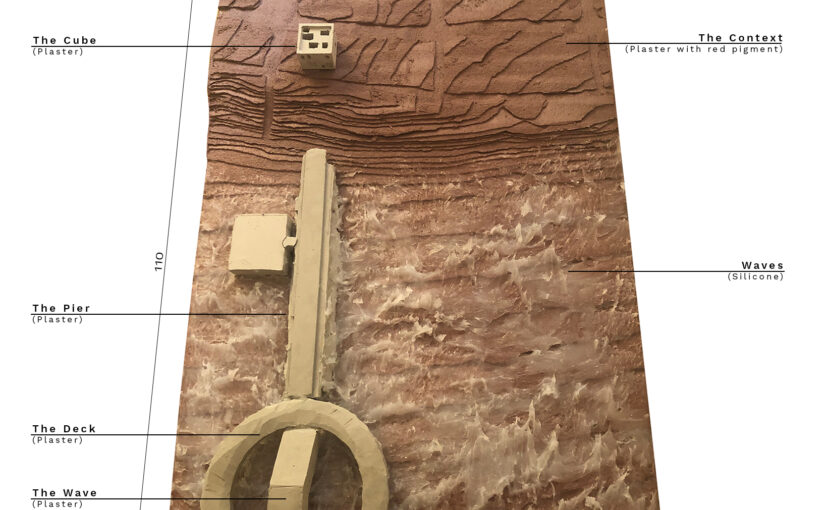
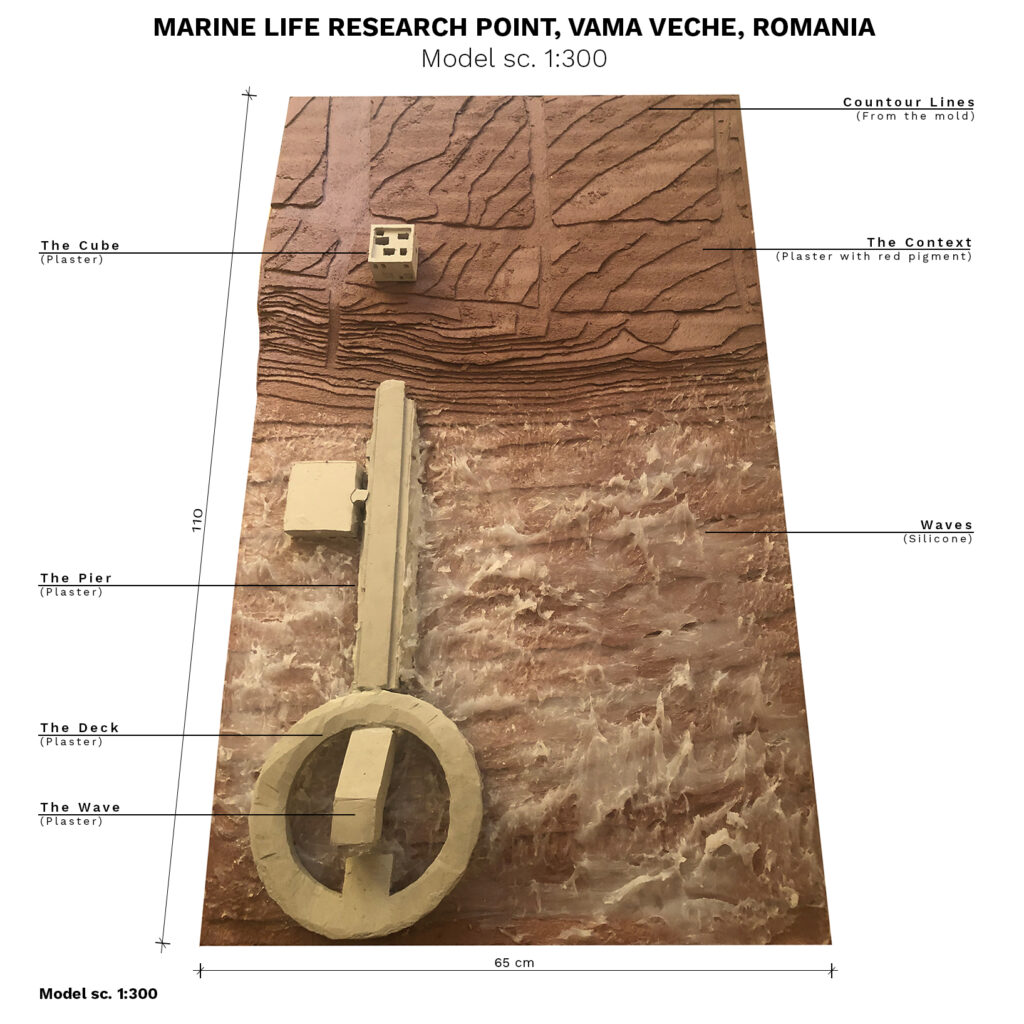
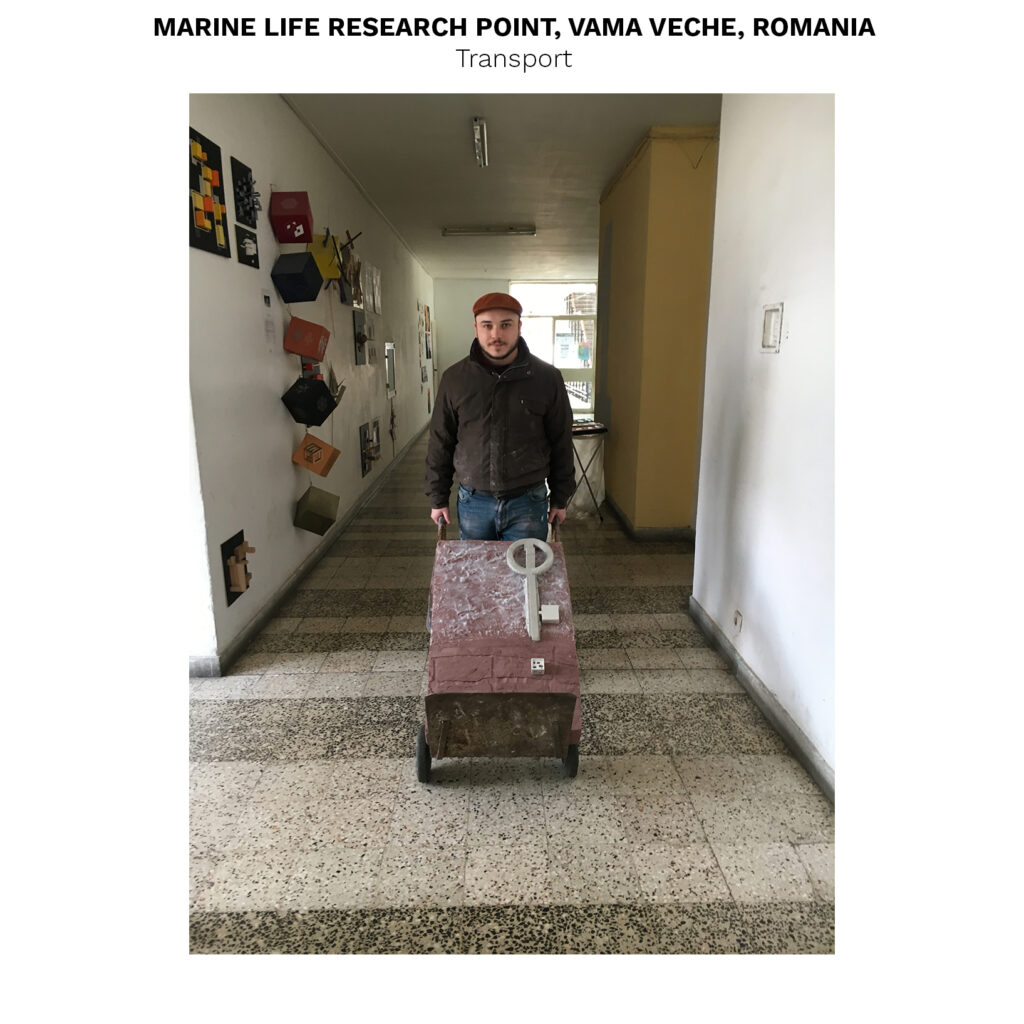
I did this model for the project called Marine Life Research Point and I did it using a mold made from polystyrene into which I cast plaster.

The base of the model was made using red pigmented plaster in order to differentiate it from the intervention which was made with normal plaster. After the drying process, the proposal remained white and created a beautiful contrast with the red context base.

Therefore, because the project was at the seaside and was partially between the beach and the sea, I made the water from silicone in the attempt of suggesting the waves.

Another material used was balsa wood which was representing the structure of the deck as oblique pillars.

Conversion and Extension for the Former Prison Râmnicu Sărat, Râmnicu Sărat, Romania

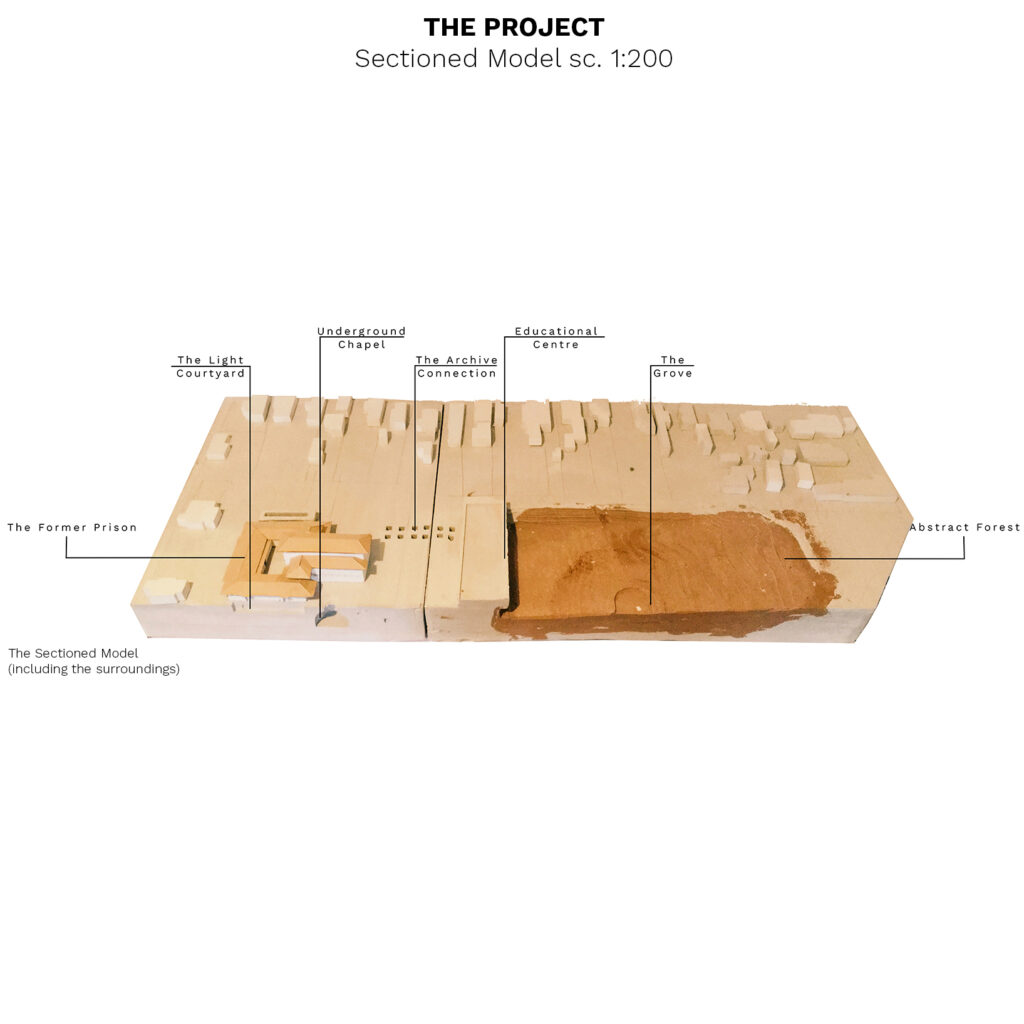
This models were made in 2018 for my diploma project which was about the Conversion and Extension for The Former Prison Râmnicu Sărat – Memorial and Centre for Non-Formal Education, Romania, Râmnicu Sărat. The model was divided into two parts because of two reasosns:

    1. It contained two sites: the first is on the left side and it is the site of the former prison and the second is on the right side and it is the place where an abstract memorial forest and educational centre was proposed.
    2. The dimensions and the weight of the whole model were big enough to make it hard to move it around.

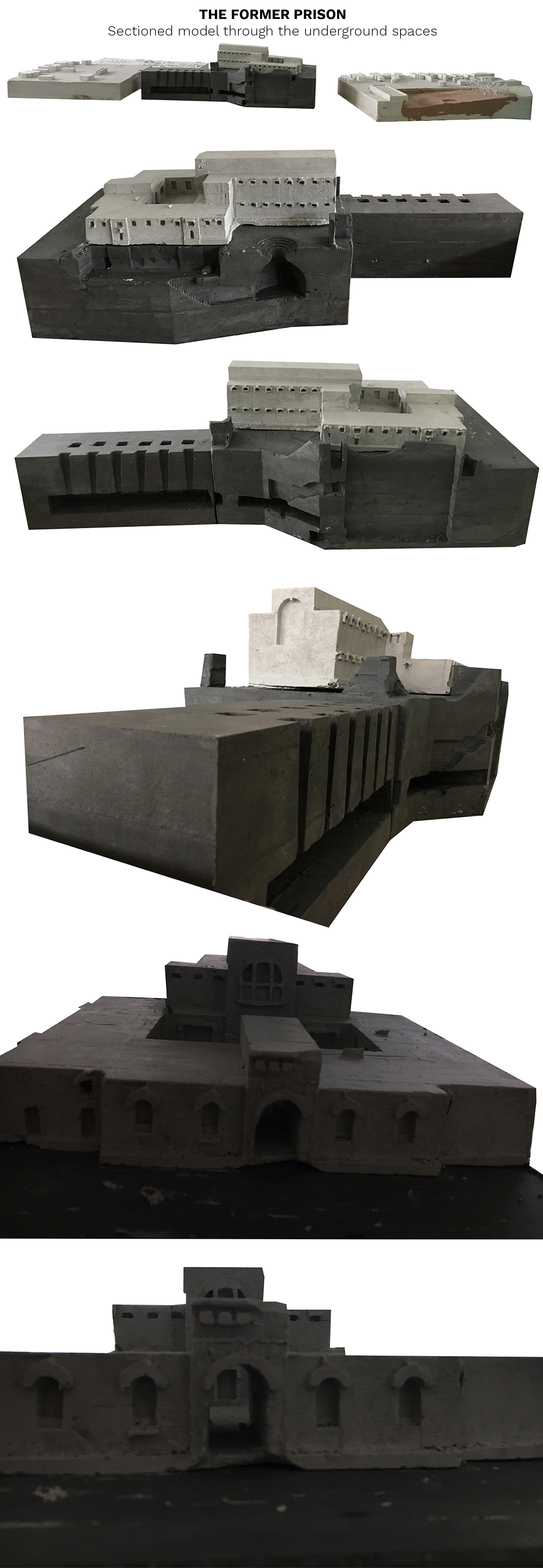
For this project I did three models and the main method used for all of them was casting plaster in a polystyrene mold carefully thought before. For the model at the scale 1:100 cm visible in the left side and beneath I used red pigment to color the sectioned model in the part of the side were I had a landscape proposal. I did this in order to emphasize it.
I did the same thing, but with black pigment, to differentiate the existing building on the site (the former prison) from the proposal which was all in the underground level. The building remained white and the proposal in the underground was pigmented black.

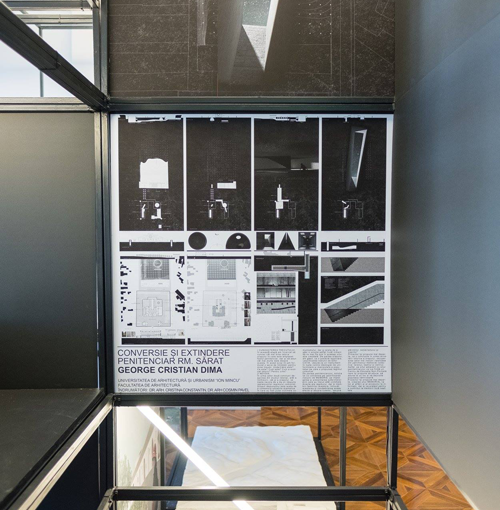
In the image from the presentation of the project can be observed the smaller model which was one with the context. This model, made at scale 1:500 cm, was presenting how the site of the proposal was situated in the city and its relations with it. The method used was also casting plaster and the little houses were cast at the same time with the base. They were made separately at the model scale 1:200 cm in order to obtain a more accurate form and sharper edges.

For the model scale 1:100 (the one with the black pigment), I used a polystyrene cutting plotter to obtain certain details of the existing building which is a historical one and has great architectural value.